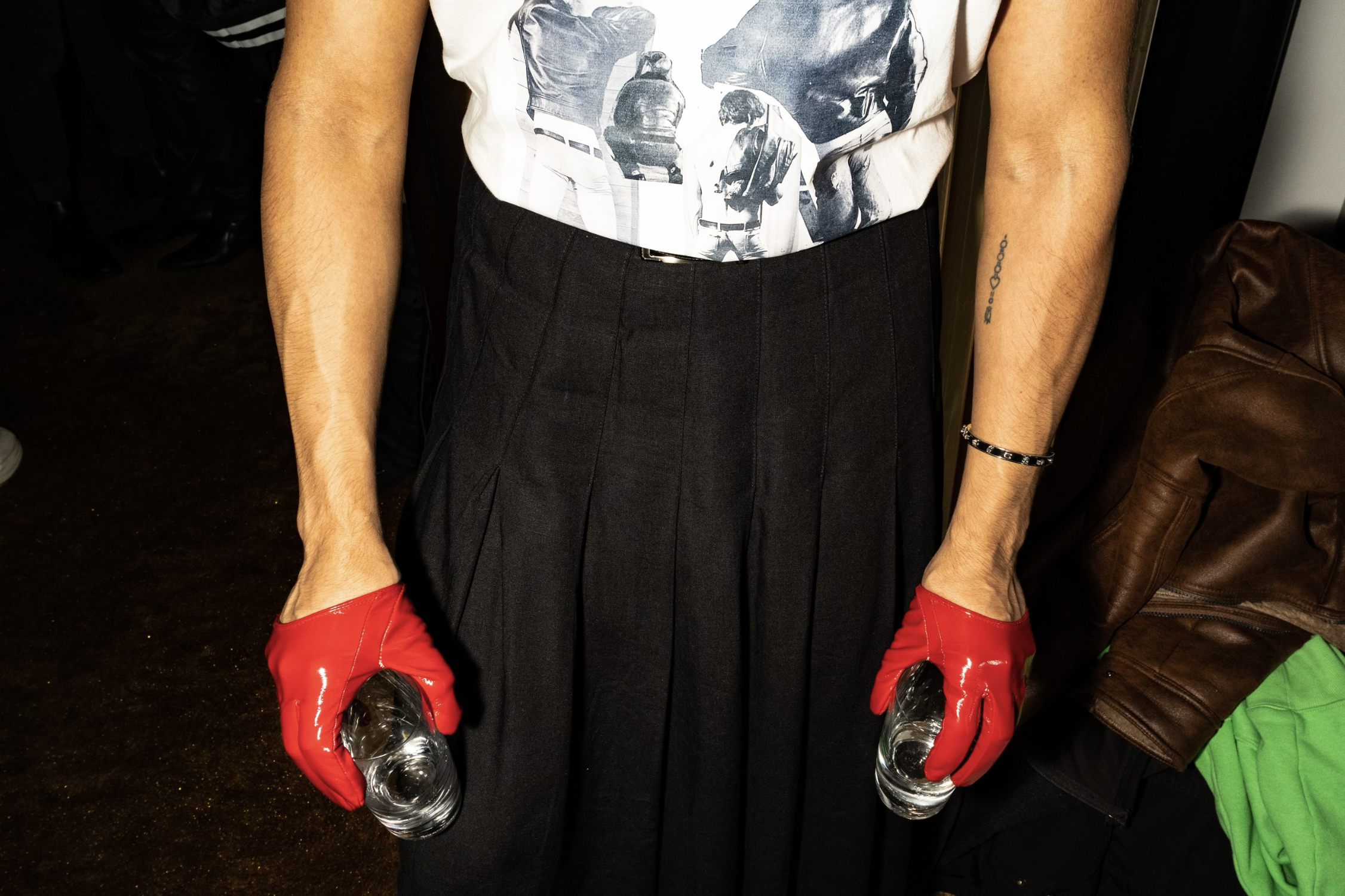
Tom of Finland @ Le Bain NYC
The Celebrated Queer Illustrators Work Came to Life with the Wearing of Leather and Love on the Dance Floor!
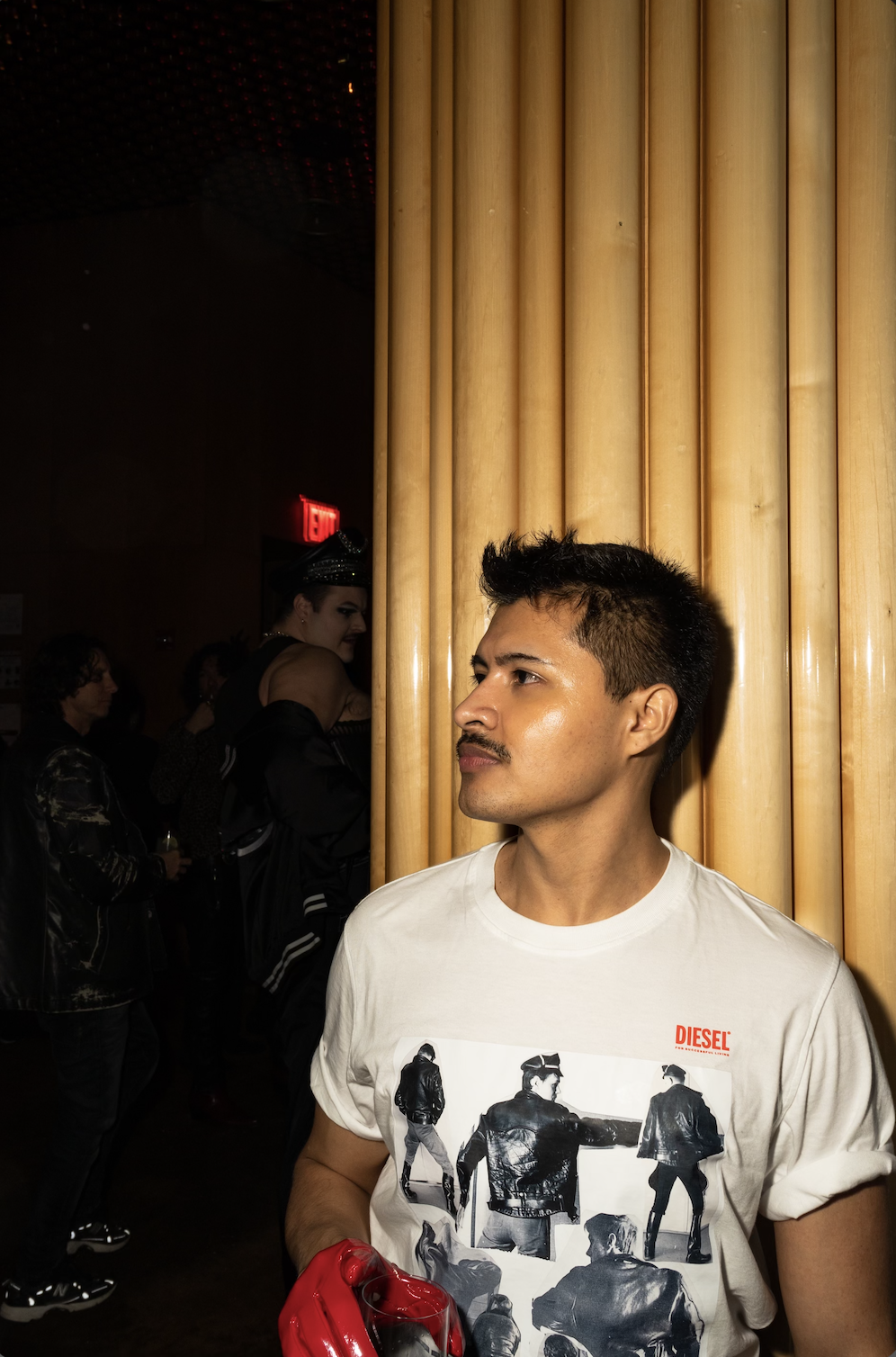
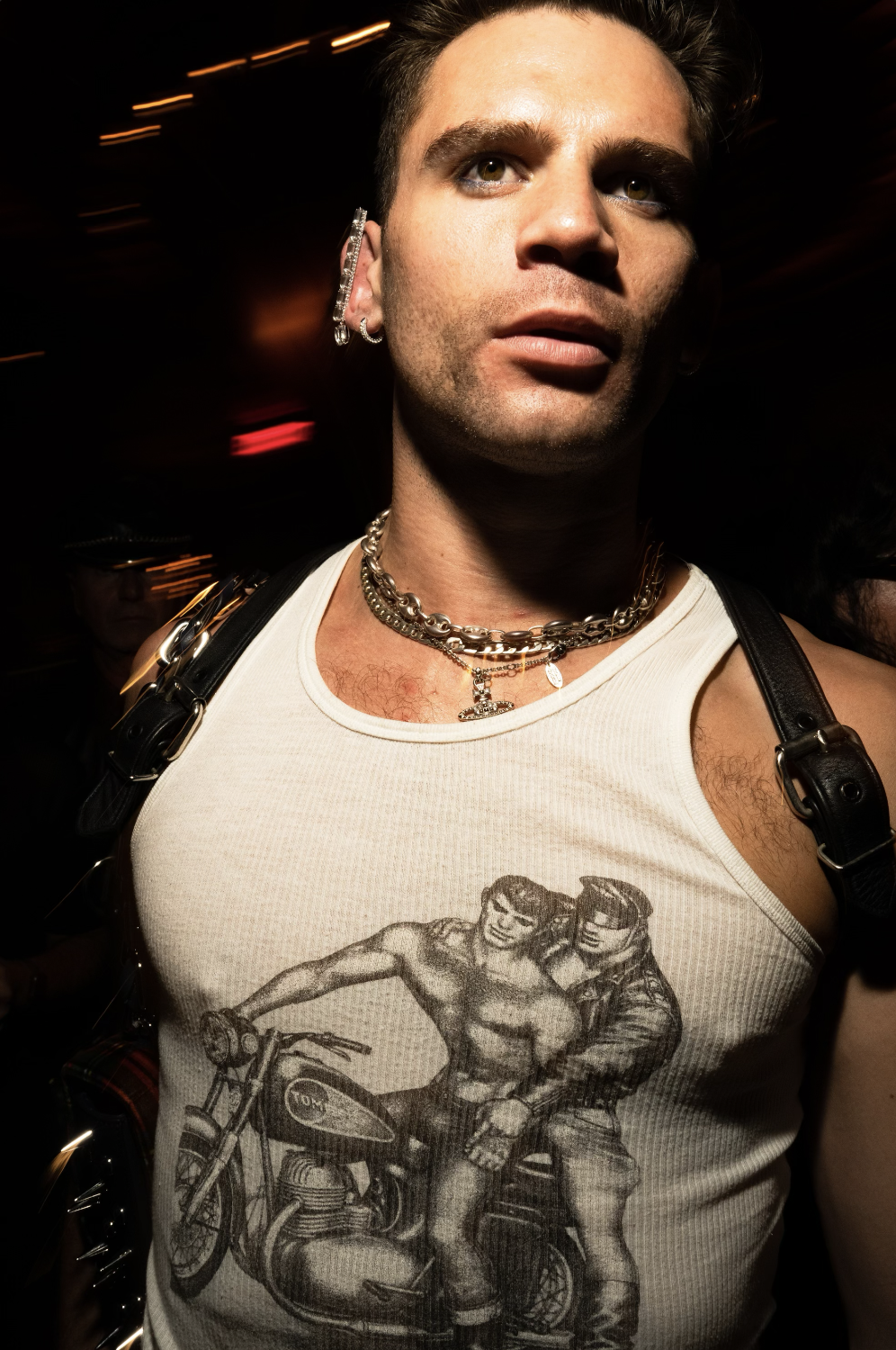
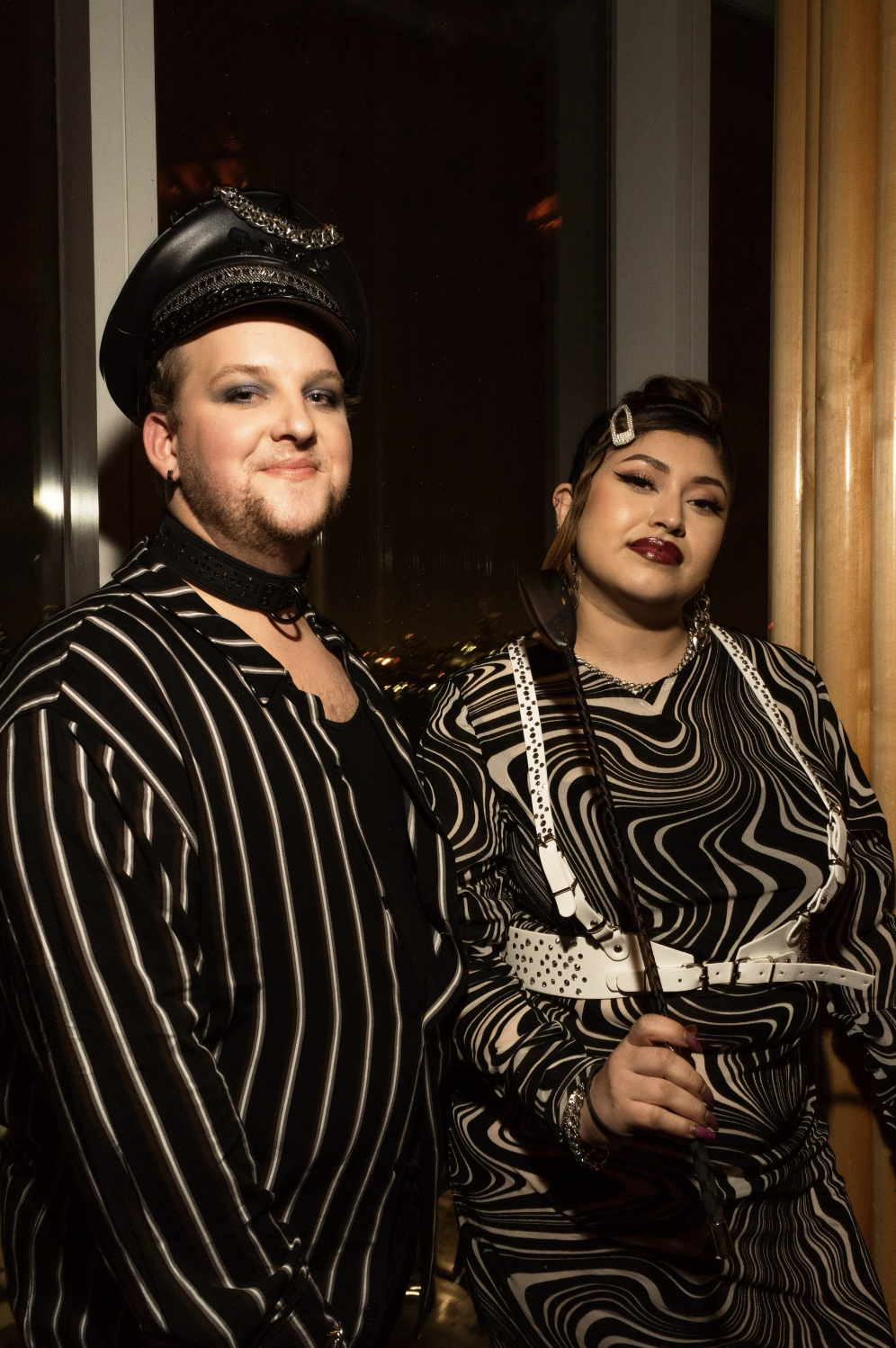
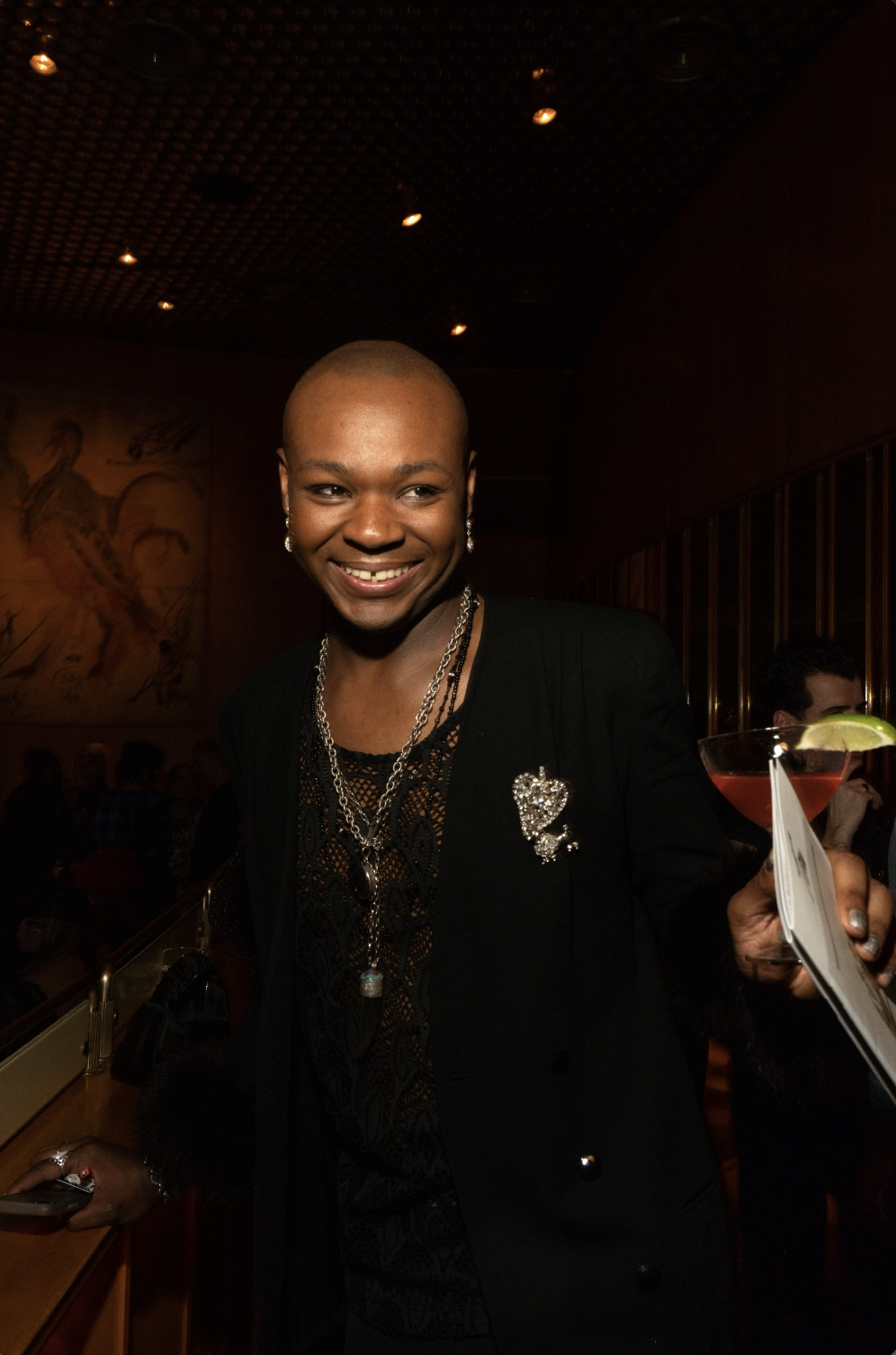
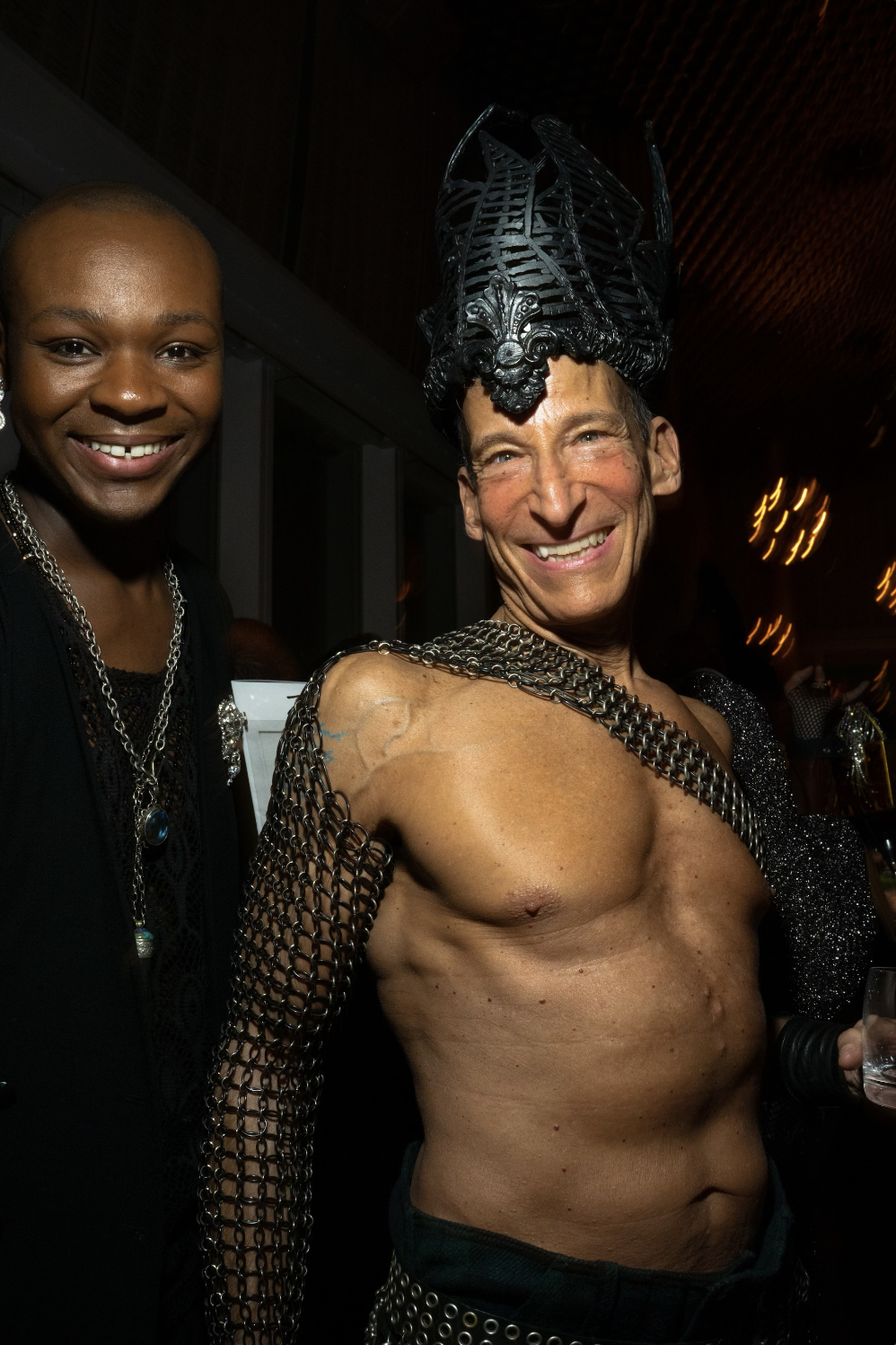
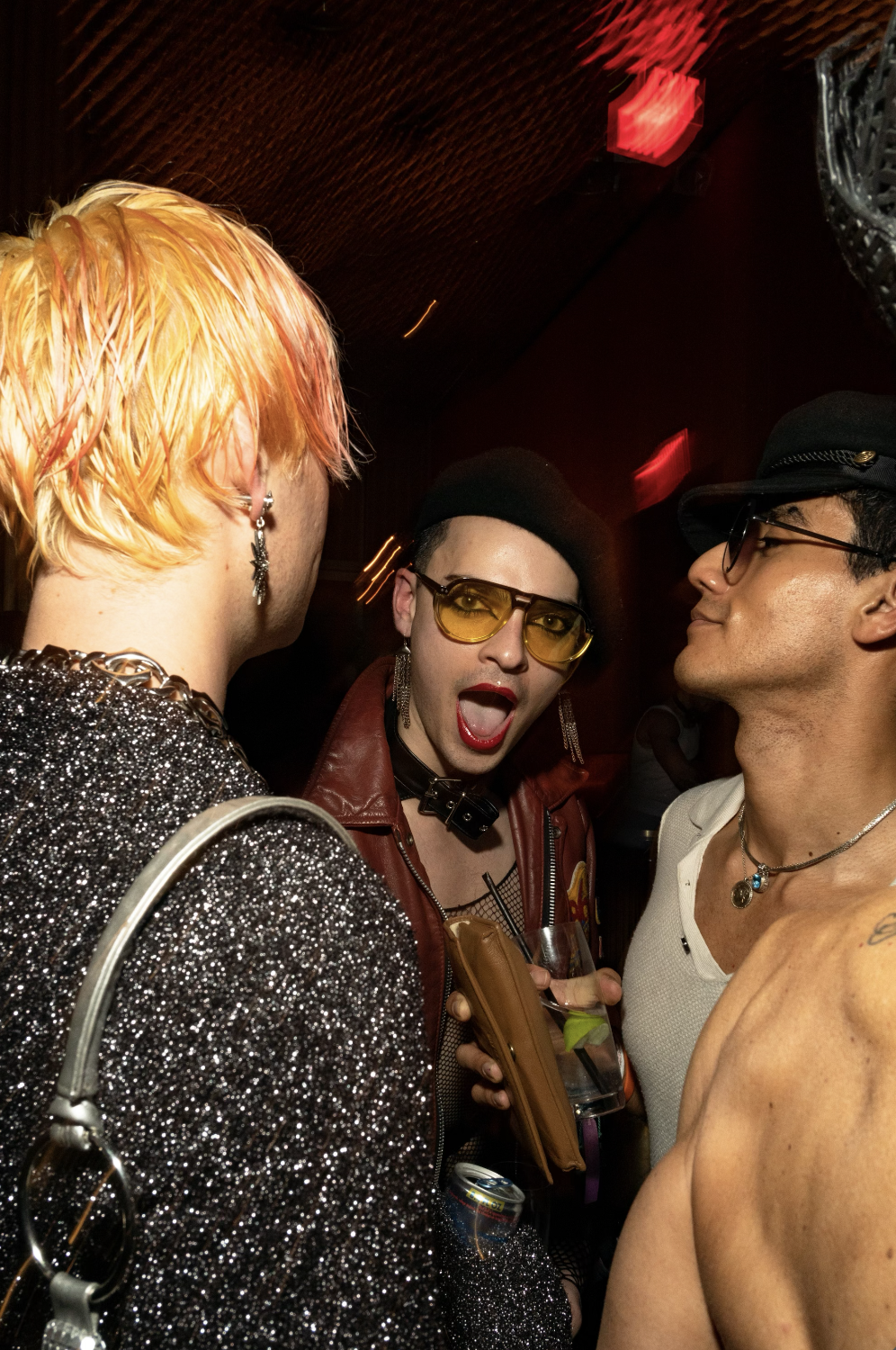
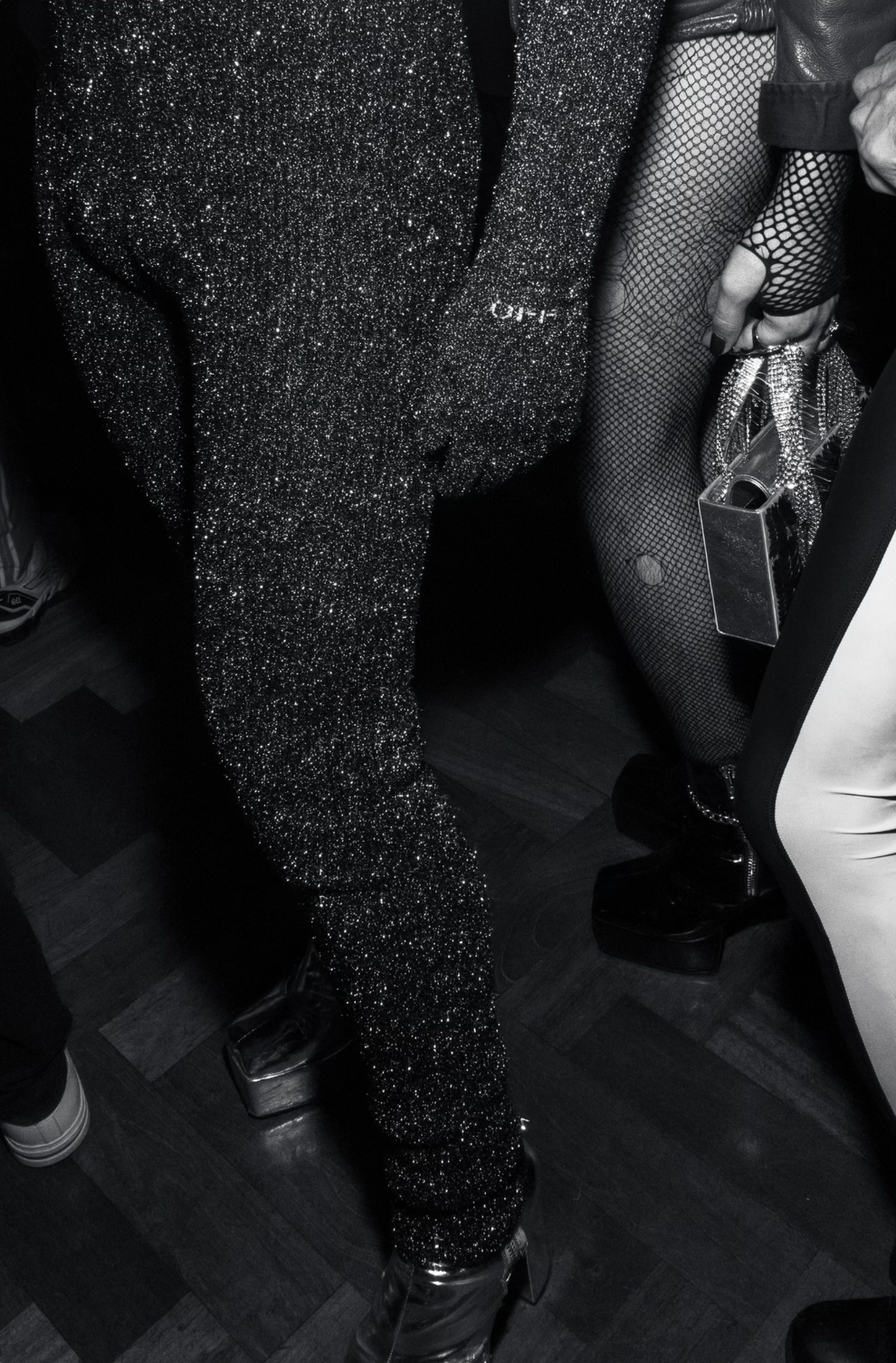
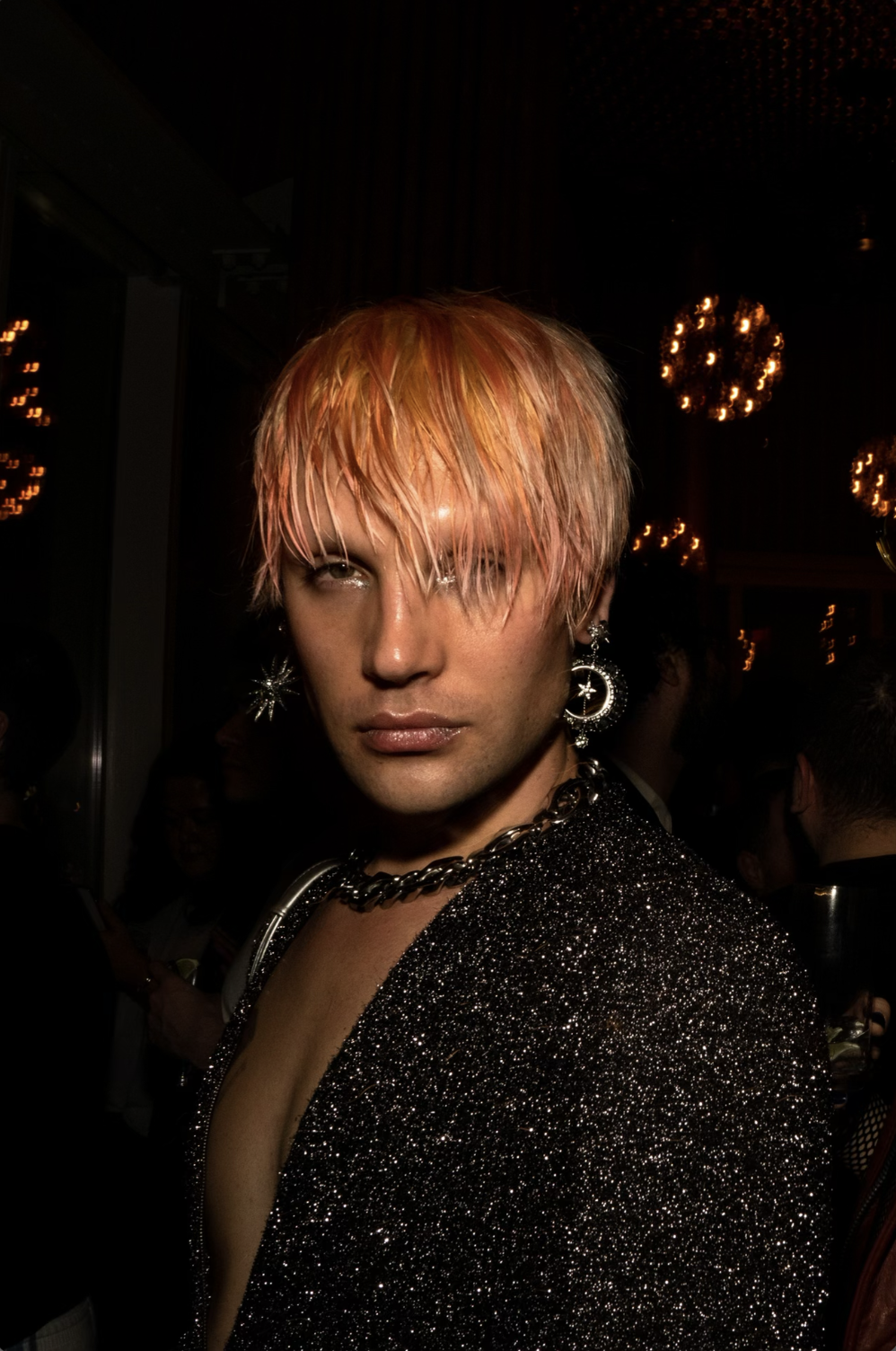
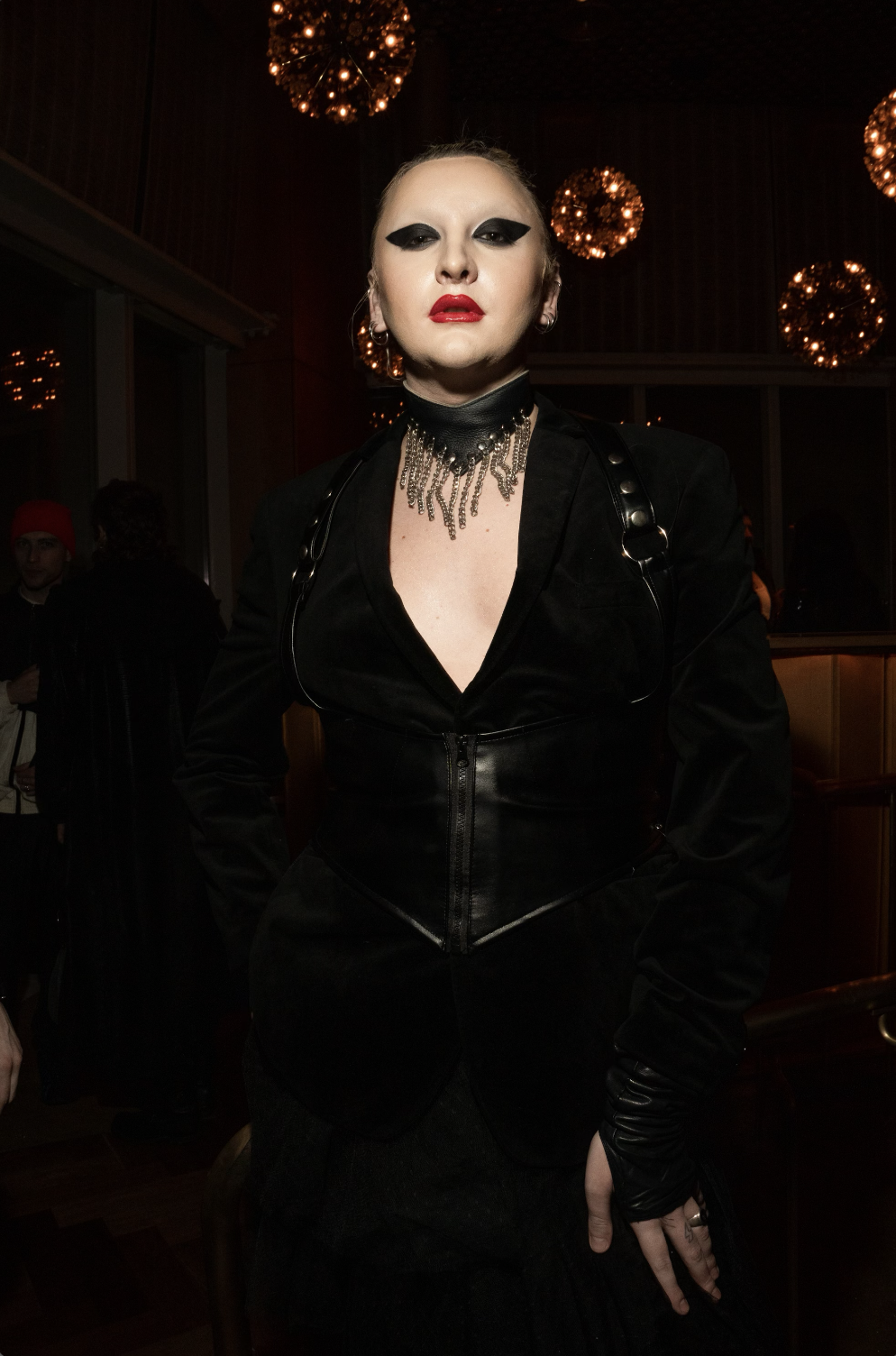
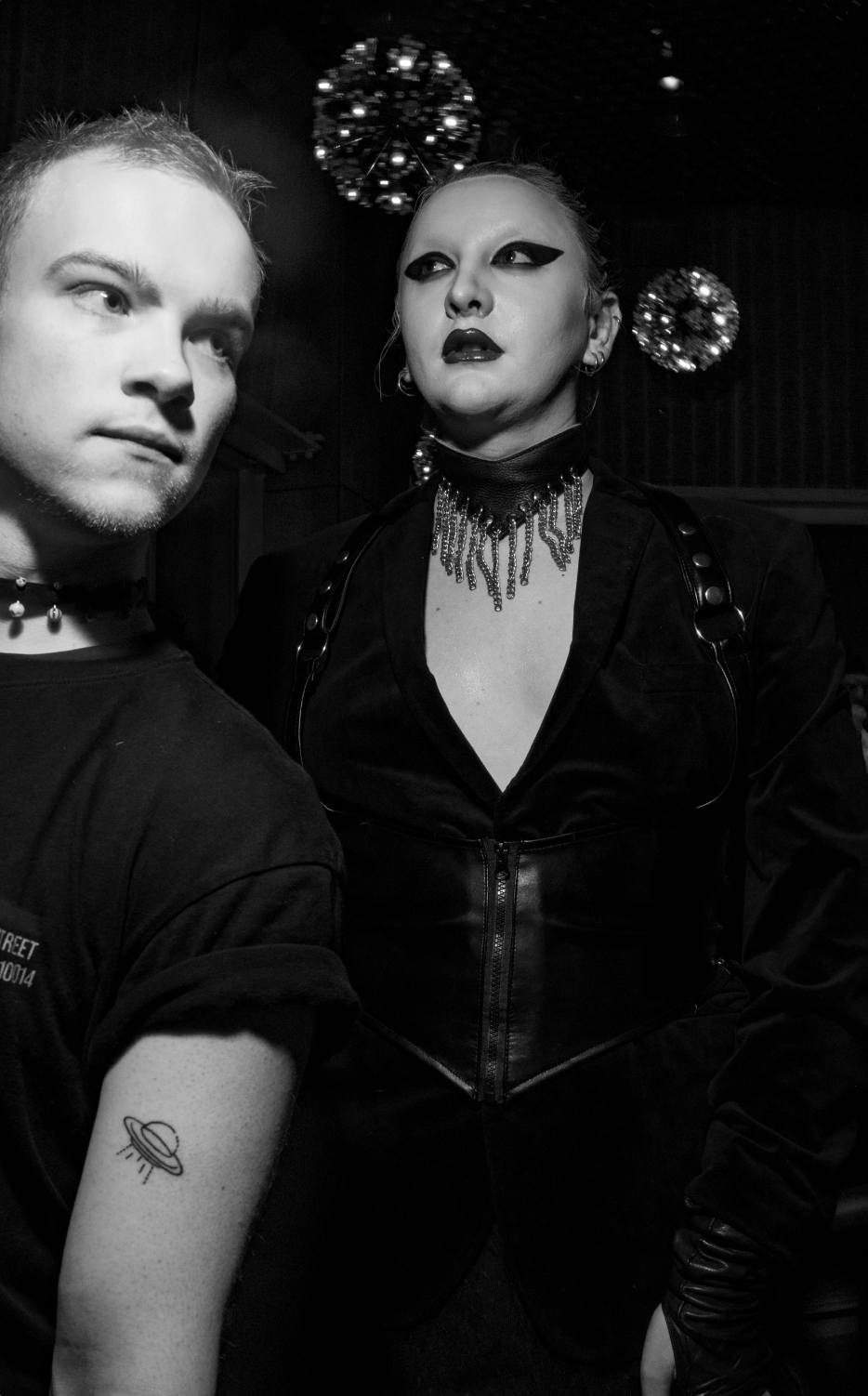
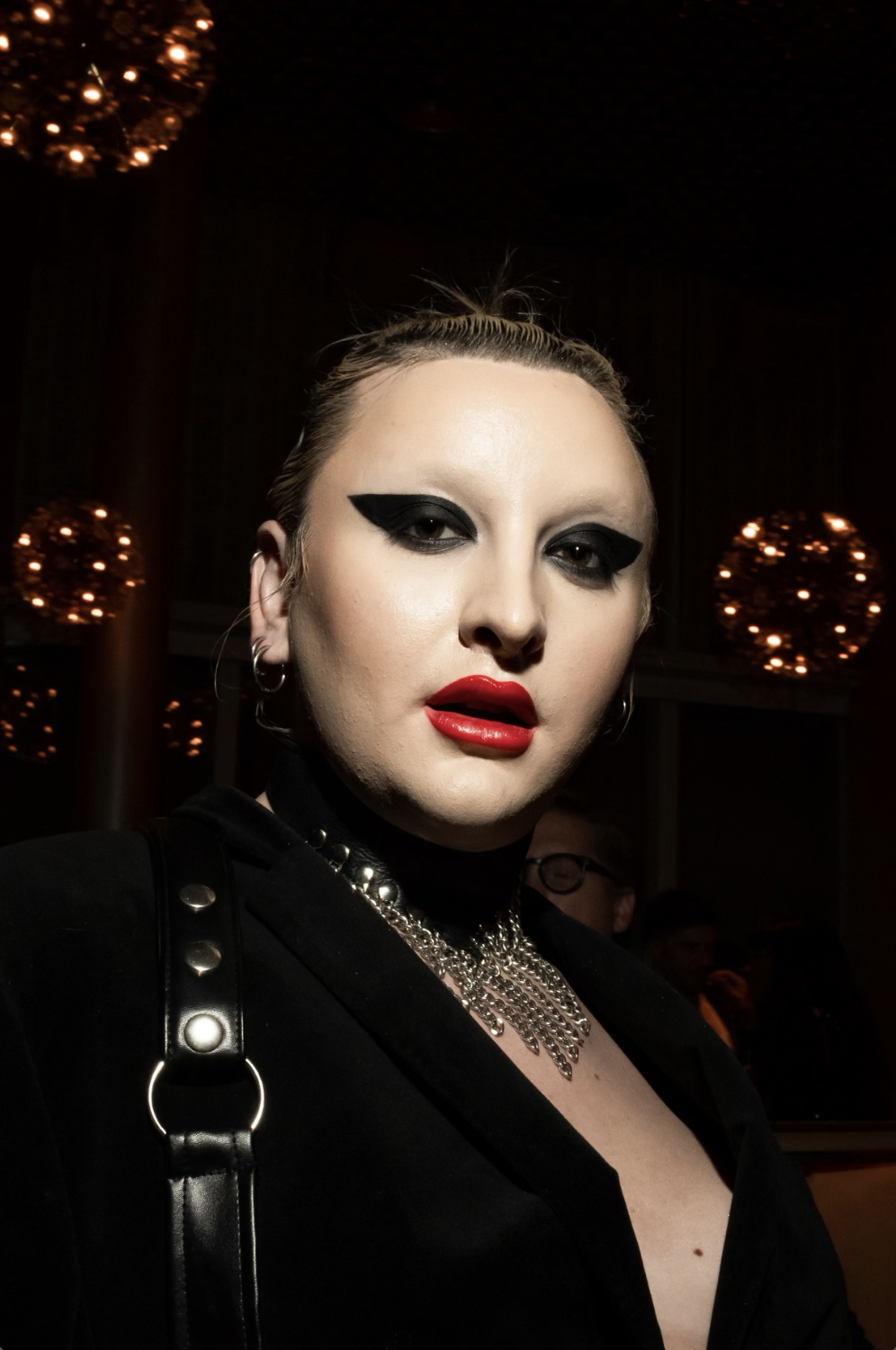
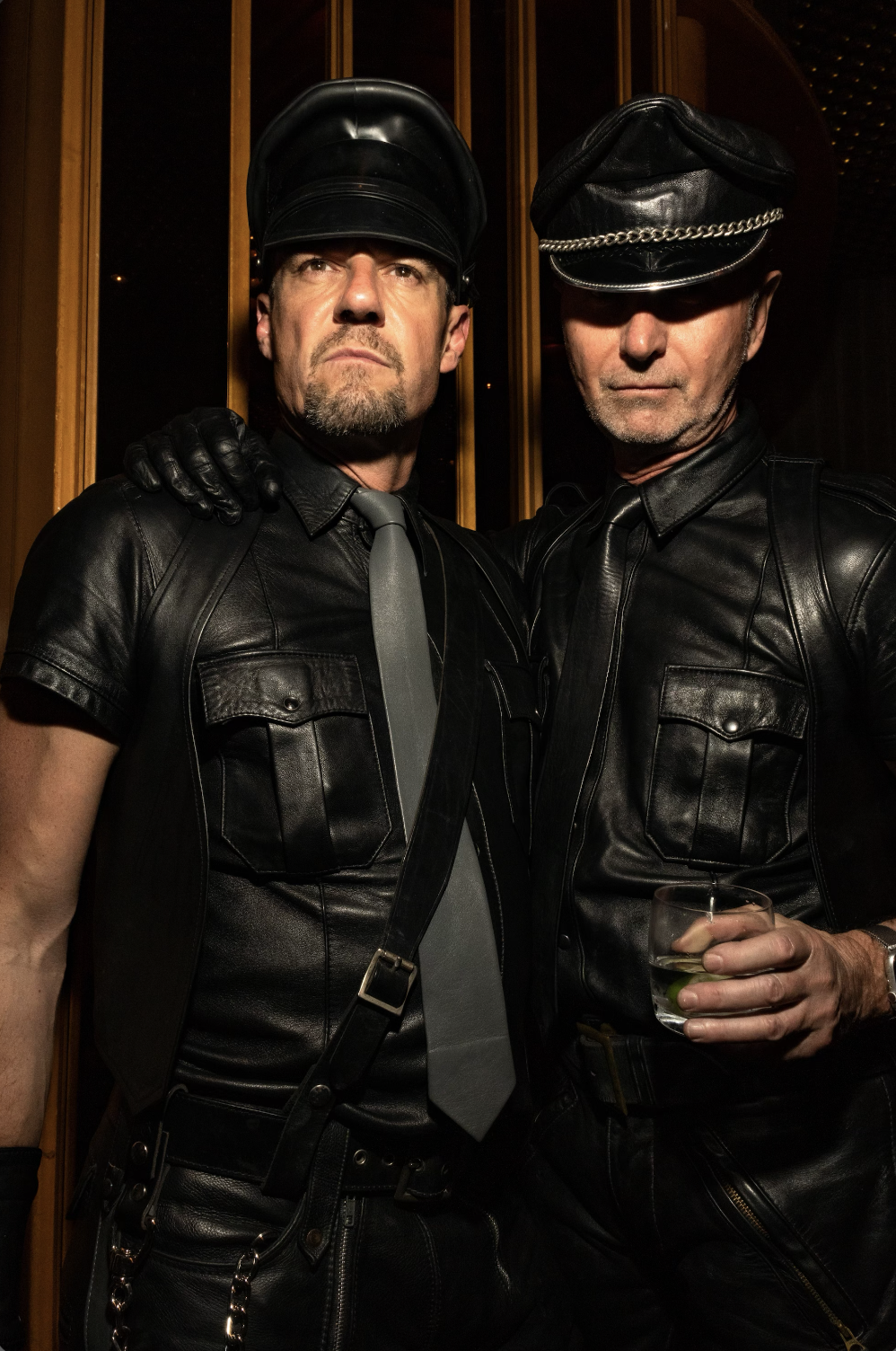
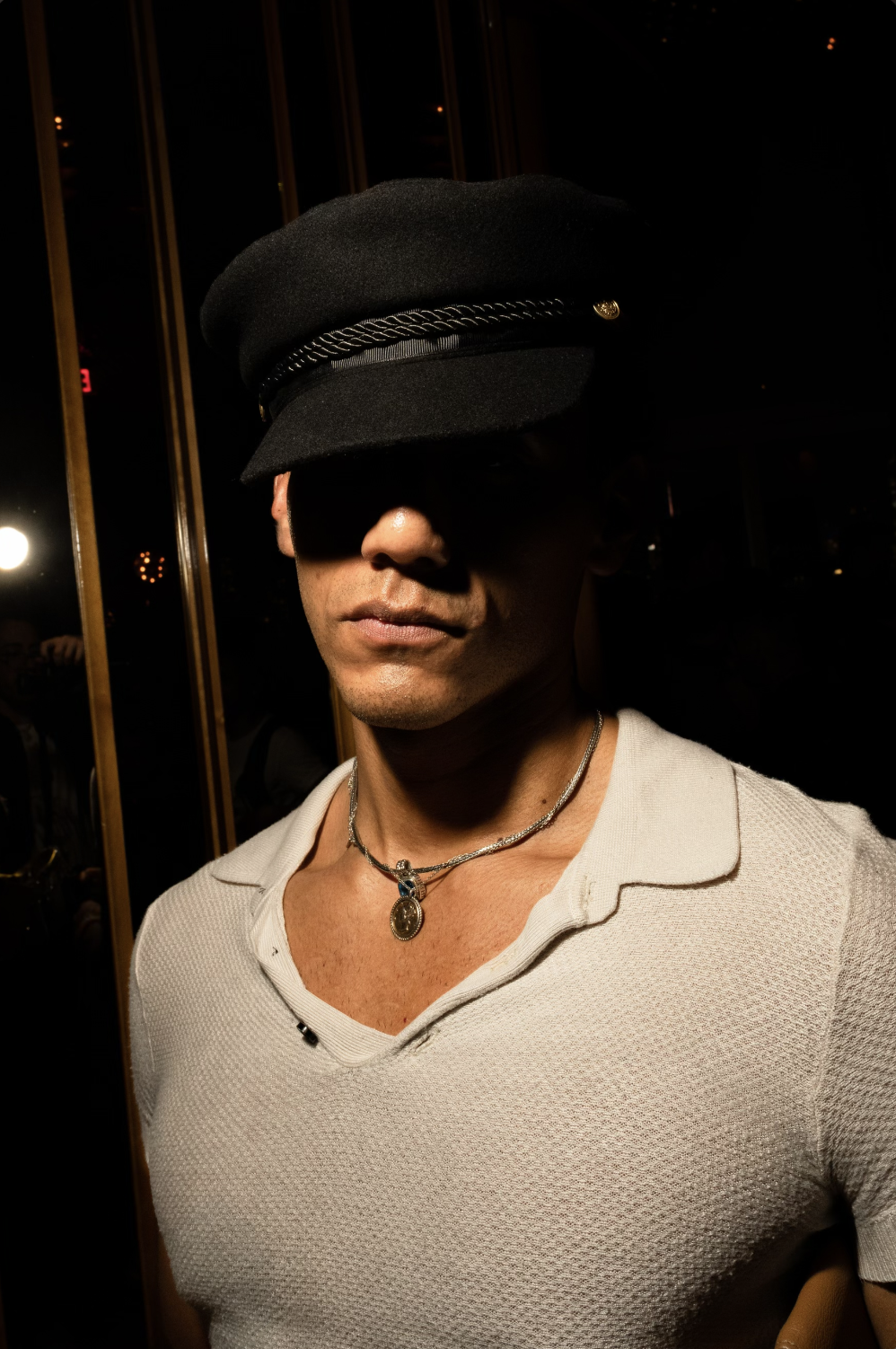
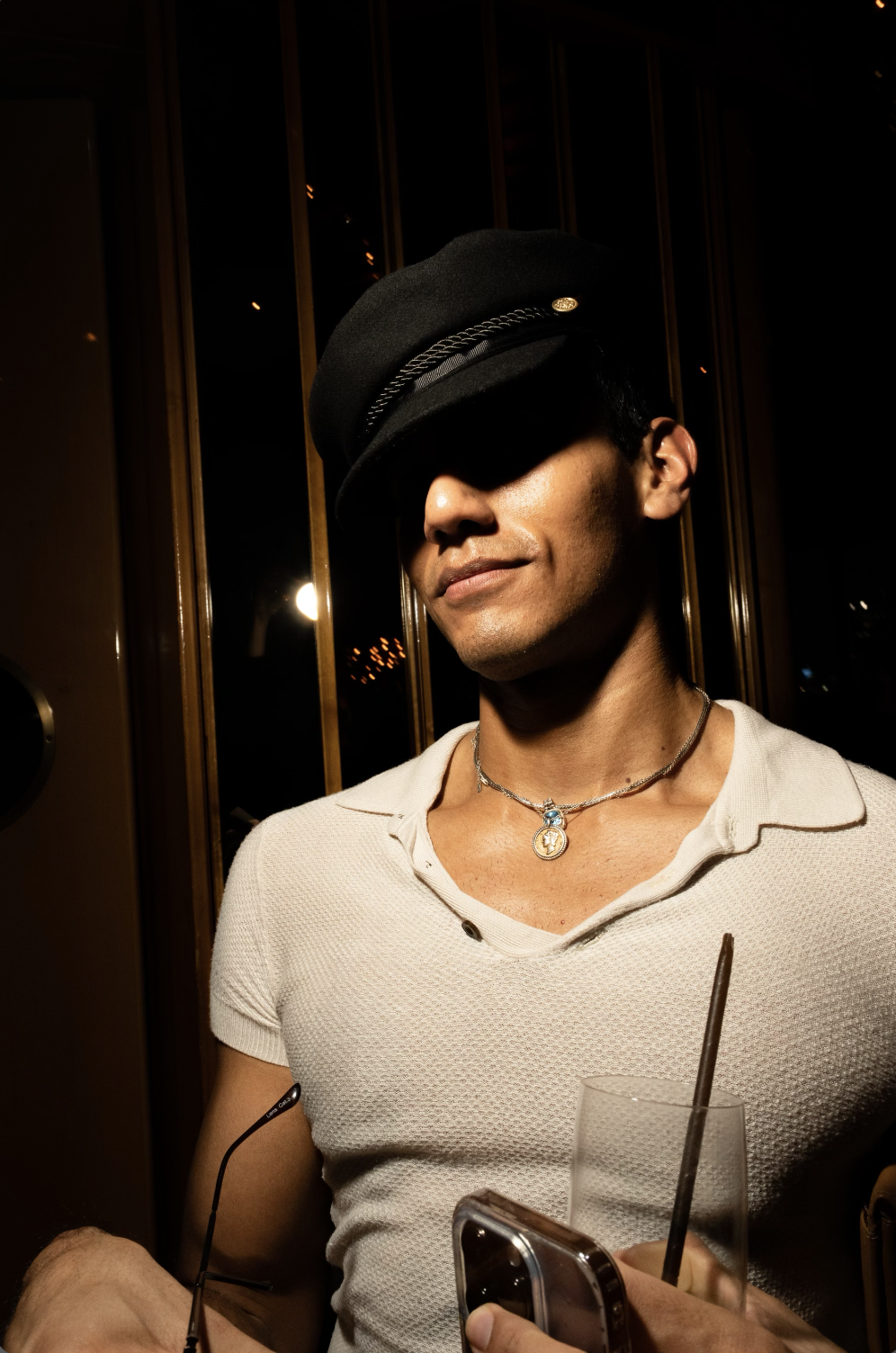

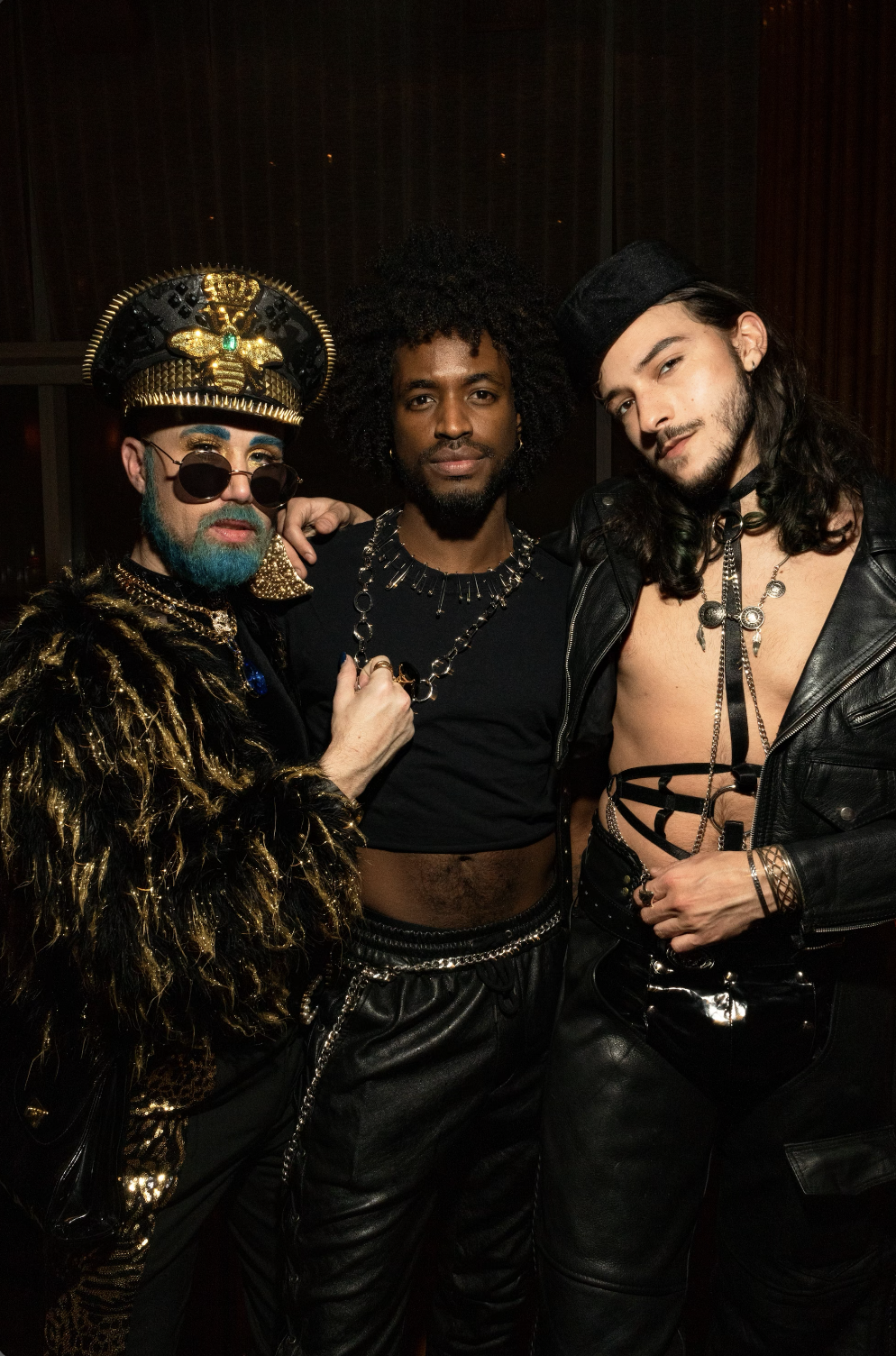
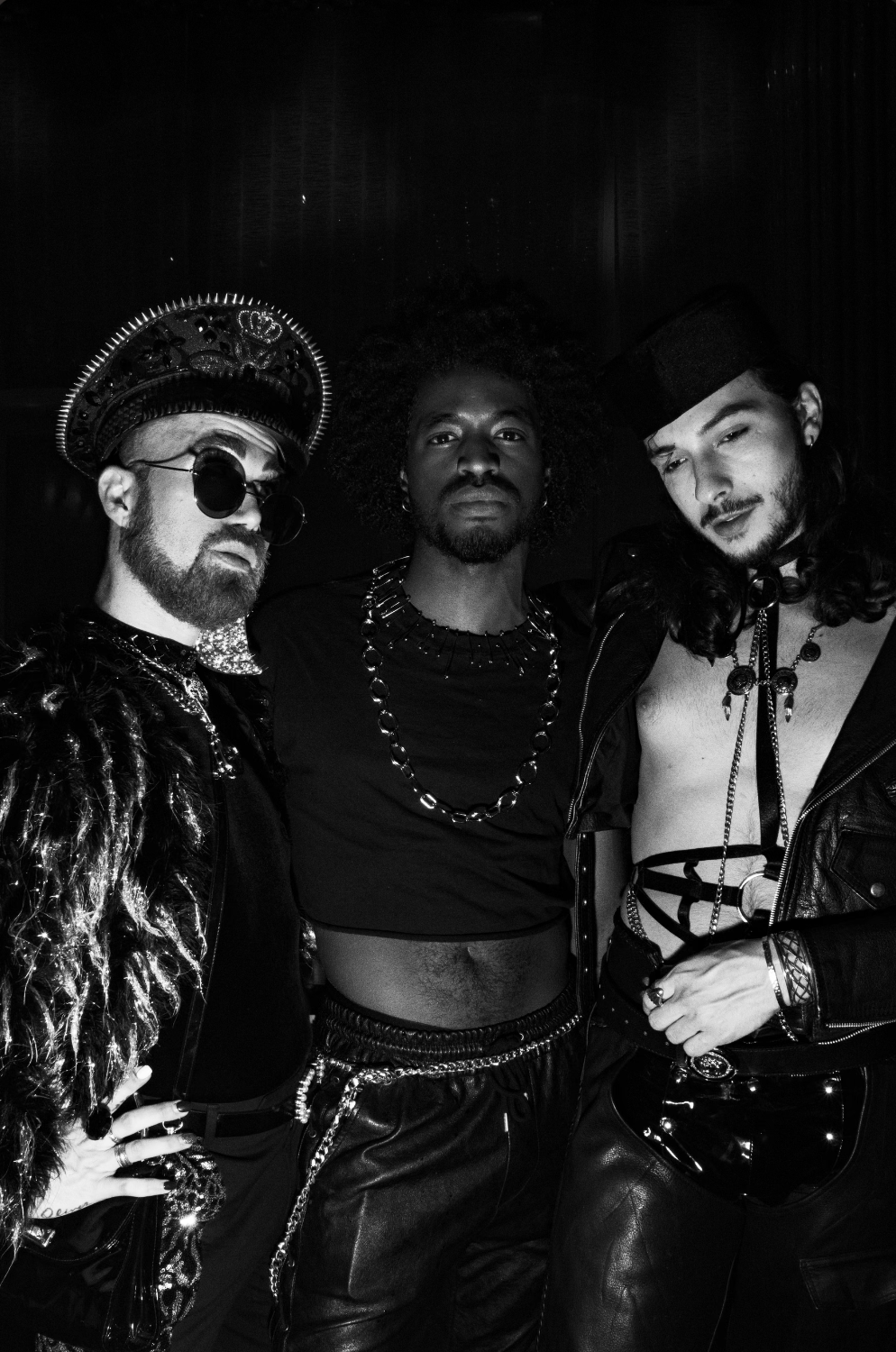
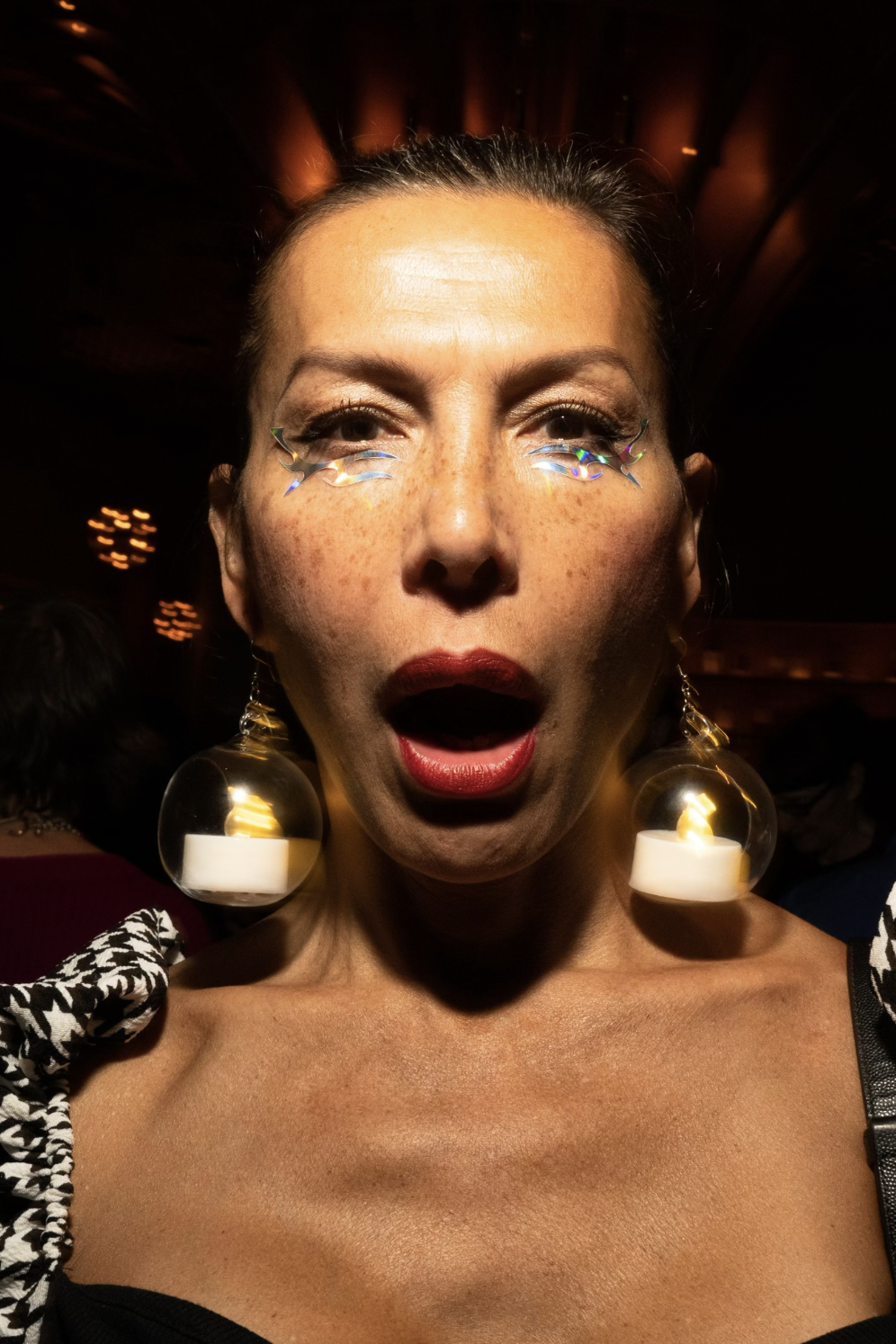
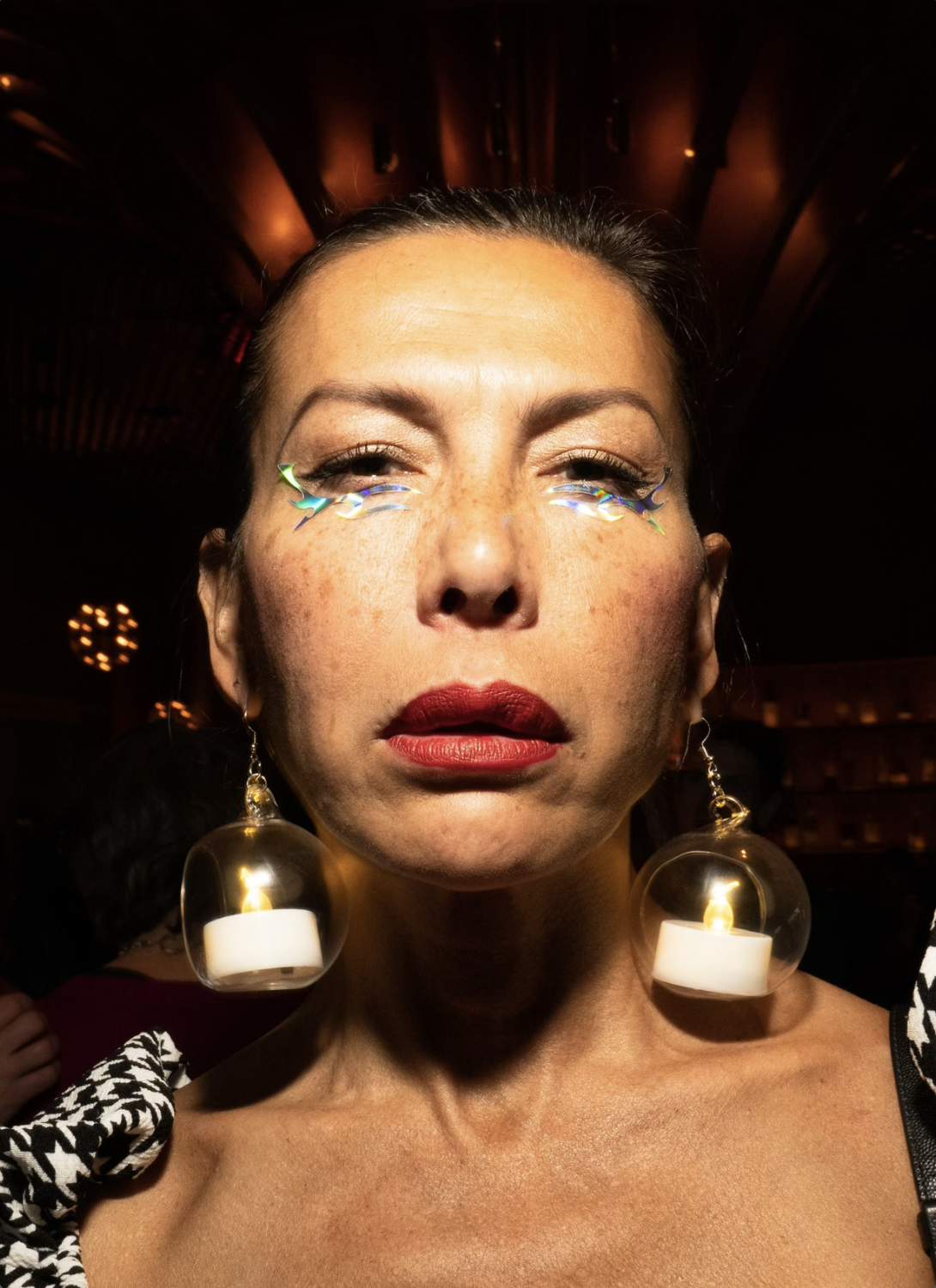
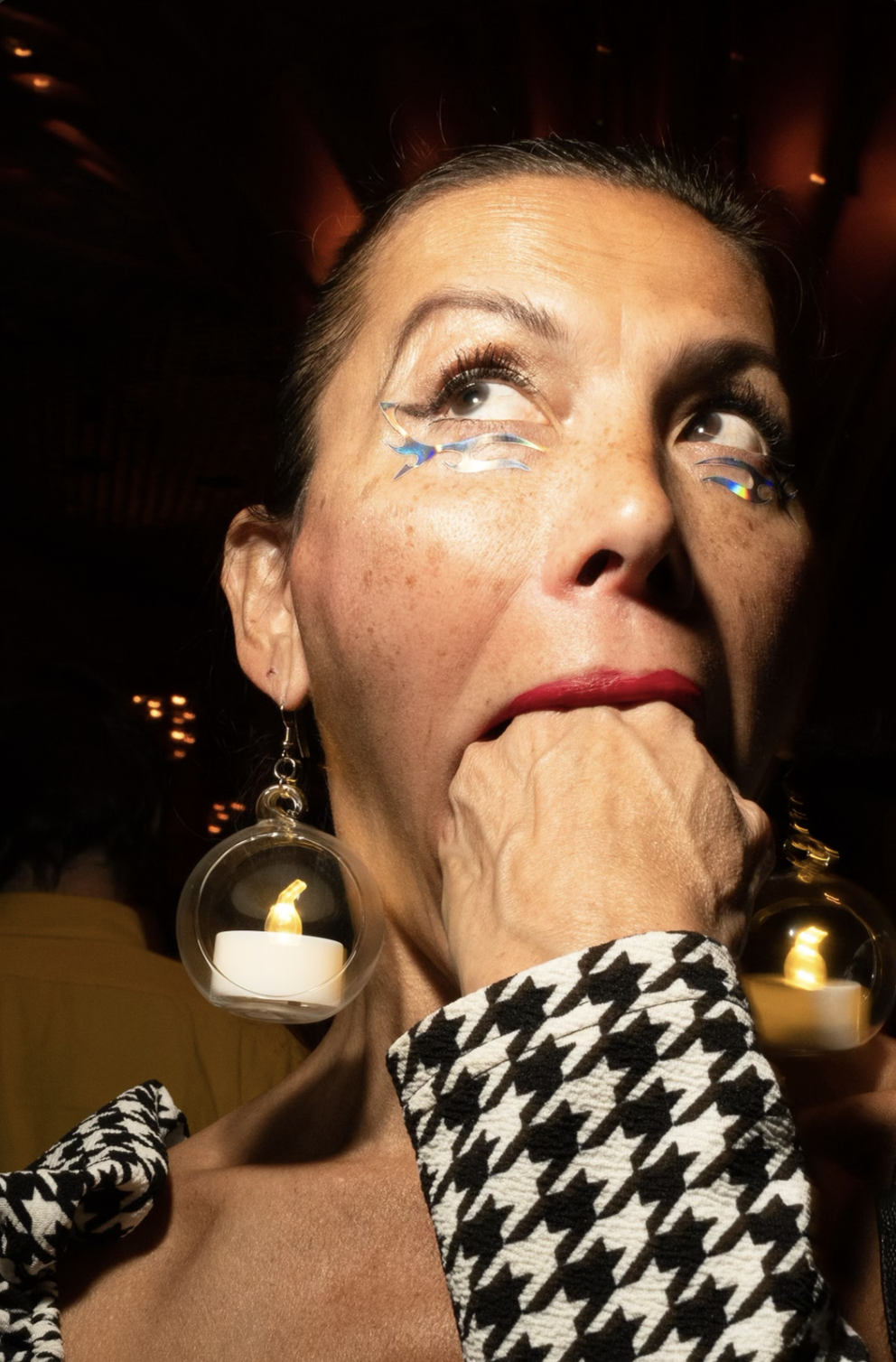
Hosted by PURPLE PR, the Tom of Finland extravaganza was another remarkable outing for the LGBTQIA+ community, particularly those with an affinity for BDSM culture, unapologetic queer romance, and the fetishistic kinks that are portrayed by the noted artist. Brilliantly photographed by the fearless Travis Dyer, take a glimpse inside this lively New York night among many where (regardless of age, gender, or gender expression) there was space and freedom for those to dress up and dress out in their most exotic leather fantasies.
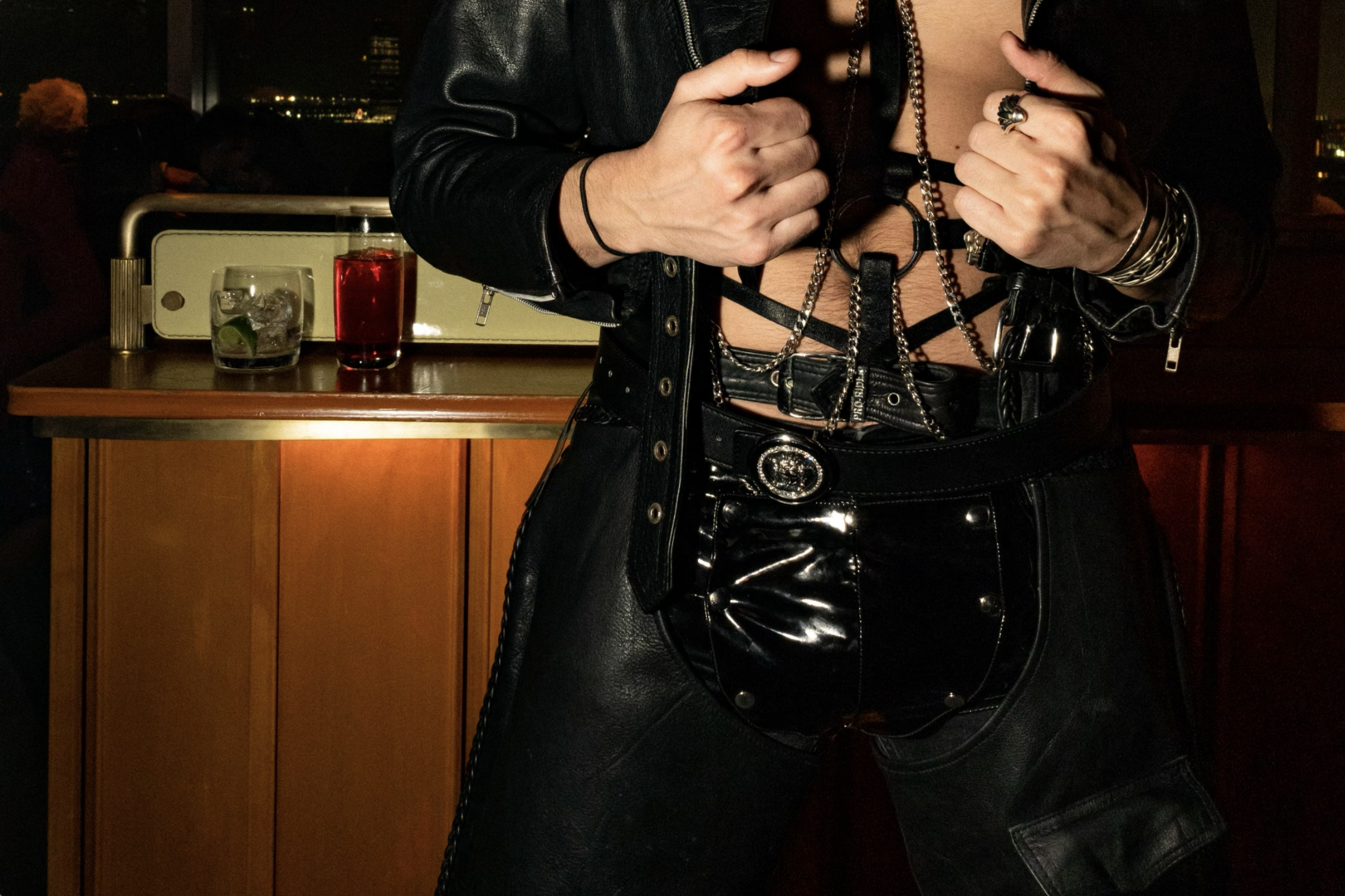
Tom of Finland, born Touko Laaksonen in 1920 in Kaarina, Finland, reshaped the visual language of queer masculinity in the twentieth century. At a time when homosexuality was criminalized in Finland and much of the Western world, Laaksonen’s drawings offered an unapologetic counter-image: hyper-masculine men rendered with pride, sensuality, and confidence. His figures—sailors, bikers, soldiers, policemen—were not caricatures of desire but declarations of presence, reclaiming masculinity from a culture that had long denied gay men access to it.
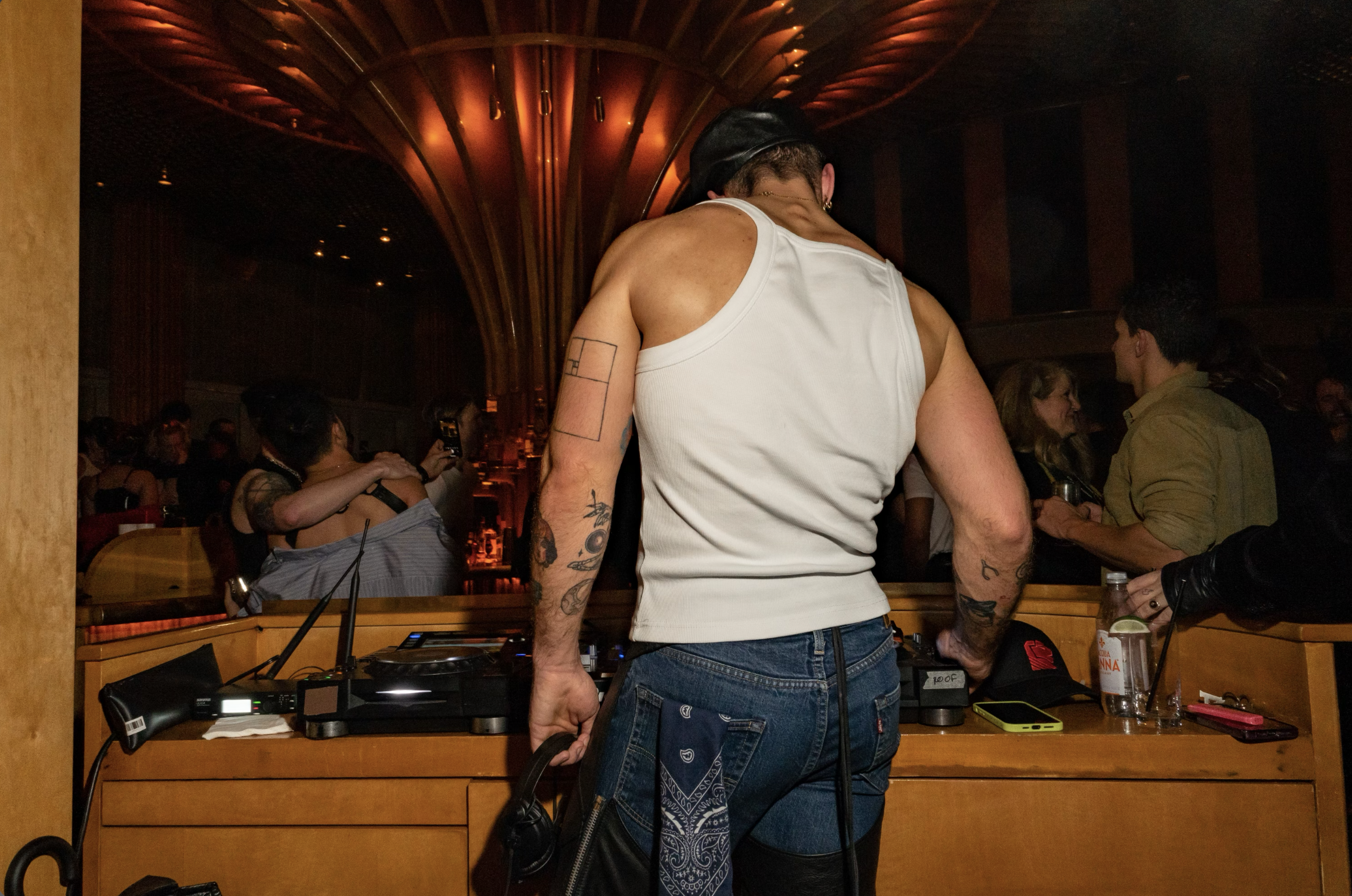
Laaksonen began drawing erotically charged images privately in the 1940s, influenced by his experiences during World War II and by the coded homoerotic imagery found in physique magazines. In 1956, his work first appeared in the U.S. publication Physique Pictorial, where editor Bob Mizer coined the name “Tom of Finland.” The pseudonym became both a shield and a symbol, allowing Laaksonen to circulate his work internationally while living discreetly in Helsinki.
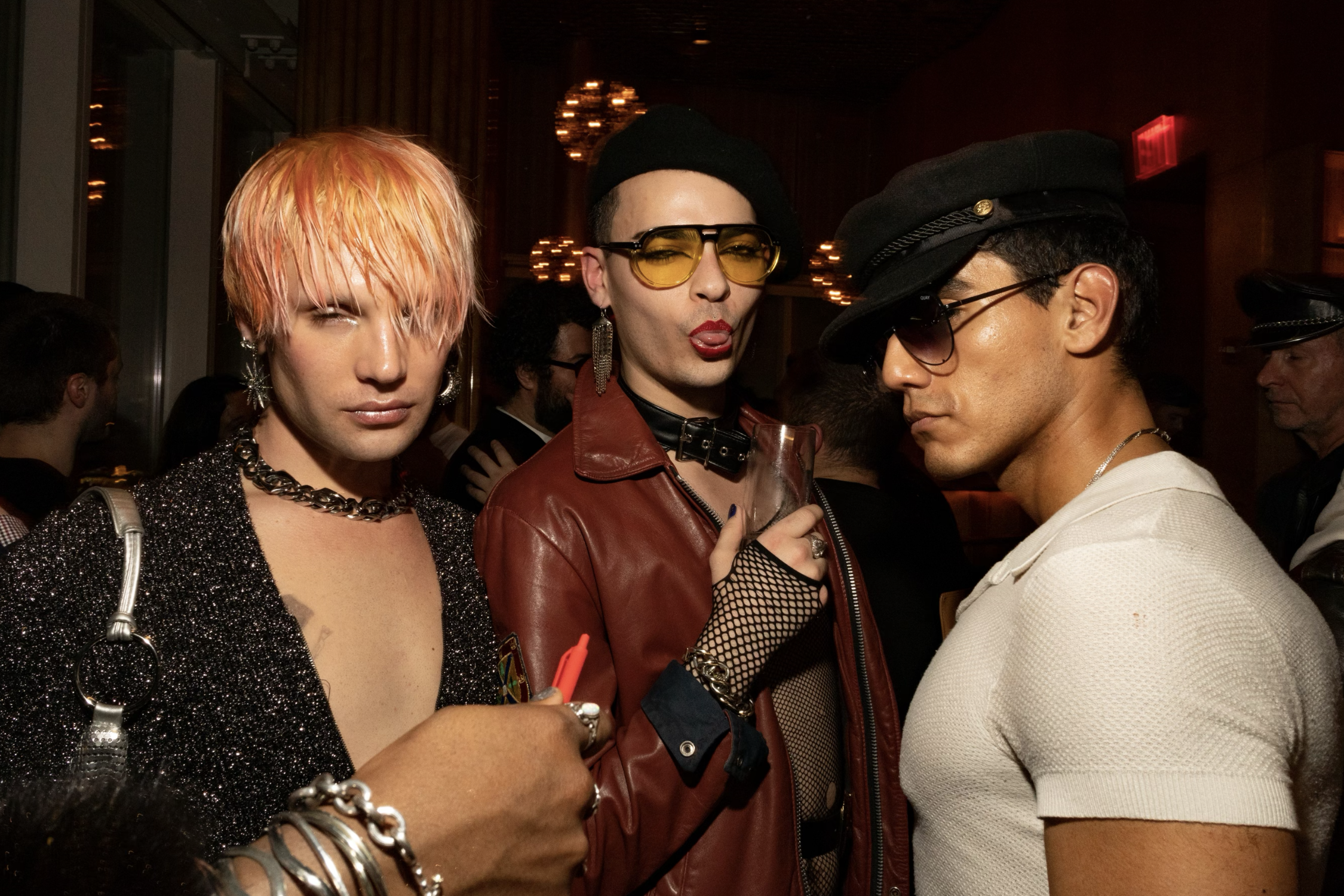
What distinguished Tom of Finland was not only explicit sexuality, but empowerment. His men smile, touch, dominate, and desire without shame. At a moment when gay men were pathologized or erased, his drawings asserted joy, agency, and erotic self-possession. Over time, these images helped redefine queer visibility, influencing leather culture, BDSM aesthetics, clubwear, and later, fashion and contemporary art. By the late 1970s and 1980s, Tom of Finland had become a global icon, embraced by artists, activists, and designers alike. His legacy now extends far beyond erotica: it lives in visual culture, in the politics of representation, and in the ongoing insistence that queer bodies—and pleasures—deserve to be seen on their own terms. Today, through the Tom of Finland Foundation and museum collections worldwide, Laaksonen’s work is recognized not only as erotic art, but as cultural history.
In New York, spaces like Le Bain and the Boom Boom Room functioned as contemporary salons for queer visibility—places where nightlife became performance, and the body itself a form of authorship. Perched above the city, these rooms blurred private desire and public spectacle, allowing queerness to be not only expressed but celebrated, styled, and seen. Visibility here was not accidental; it was curated.
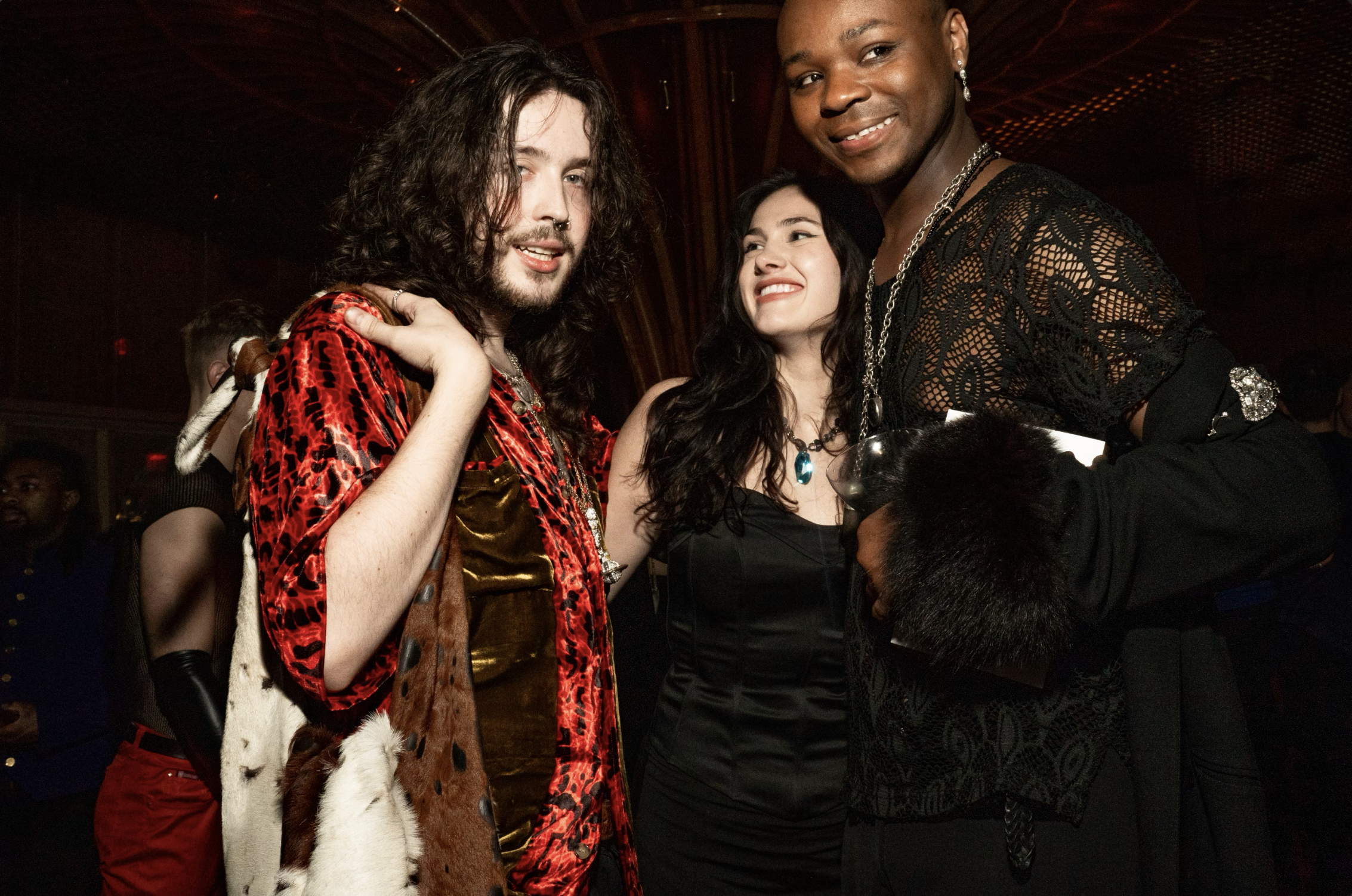
The Tom of Finland party at the Boom Boom Room drew directly from this lineage. Channeling the hyper-masculine erotic codes pioneered by Touko Laaksonen, the event transformed the space into a living archive of queer fantasy and empowerment. Leather, denim, uniforms, and skin were no longer subcultural signals but high-visibility statements—desire rendered legible in a social setting that welcomed spectacle. What Tom of Finland had once drawn in secrecy now unfolded openly, embodied by dancers, guests, and performers in full view of the room.
In this context, the Boom Boom Room echoed the historical function of queer clubs as sites of survival, resistance, and pleasure. The party did not simply reference Tom of Finland’s imagery; it activated it. Masculinity was exaggerated, eroticized, and reclaimed, not as parody but as confidence. The smiling, dominant figures of Laaksonen’s drawings found their contemporary counterparts on the dance floor—joyful, unashamed, and visible.